
There’s always a moment when the air starts to feel crisper, the leaves start to hint at gold, and I find myself standing in front of my wardrobe, tea in hand, staring blankly at a sea of hangers. The rails are full, the drawers refuse to close, and yet somehow, there’s nothing to wear. I imagine I’m not alone in this ritual – a seasonal staring contest with our own clothes.
It isn’t that I’ve stopped liking my wardrobe. It’s more that the world seems to have moved on. Magazines are whispering about new silhouettes, social media is buzzing with the latest “must-have” items, and I’m still hugging a much-loved belted coat from 2019 like an old friend. The captions say “out with the old,” the influencers say “buy this,” and I think, “surely there’s another way.”
And there is.
The Myth of Outdated
Fashion loves to make us feel like yesterday’s clothes are yesterday’s news. Trends are sold to us as urgent, fleeting, and essential. But, having been around long enough to see shoulder pads, neon leggings, and the brief, questionable return of jelly shoes, I’ve learned that nothing truly disappears. It just rests.
Take skinny jeans, for example. They were the darling of the wardrobe for years, only to be declared obsolete in favour of wide-leg trousers. I packed mine away in a box, convinced they were finished for good. Yet months later, strolling through London, I saw a woman about my age rocking a pair of dark skinny jeans, an oversized knit, and boots that looked like they could conquer Everest. She looked effortless, confident, herself. Not “on-trend” maybe, but unquestionably stylish. And suddenly, I realised the problem wasn’t the jeans. It was how we were told to see them.

This is the key: fashion may cycle, but style evolves. And if we learn to see our clothes differently, we can keep wearing them without guilt or self-consciousness.
Restyle, Don’t Replace
When people talk about sustainability, it often feels like a lecture, all statistics and guilt. But sustainability can be quiet, subtle, and very personal. It’s about appreciating what you already own and finding new ways to wear it.
A few months ago, I rediscovered a floral midi skirt I hadn’t worn since before lockdown. The pattern felt saccharine, almost twee. But the fabric was beautiful, the fit still perfect. On a whim, I paired it with a chunky cream knit, belted it at the waist, swapped the ballet flats for ankle boots, and added a leather jacket for attitude. Suddenly it felt like a whole new outfit. I wore it to a weekend lunch with a friend, then again for an evening catch-up over wine, and every time someone remarked on how “fresh” it looked. All I had done was change the context.
Before passing anything on, I now ask myself three simple questions: does it fit? Is it well made? Can I make it work differently? If even one answer is yes, it stays.
What’s Fading, and What’s Back
Fashion is always evolving. Some trends are quietly fading, some are gaining momentum, and a few are circling back in unexpected ways. In 2025, here’s what I’m noticing:

- Quiet luxury is back, but in a calmer, smarter way. Gone are the overt logos and uniform minimalism of past seasons. Now it’s about quality fabrics, subtle detail, and a neutral palette that whispers sophistication rather than shouting it. A well-cut cashmere jumper, a buttery leather handbag, or a pair of impeccably tailored trousers can feel modern and timeless at the same time.
- Oversized tailoring is slimming down. Boxy blazers and exaggerated shoulders are still around, but they’re being refined. A slightly tailored oversized blazer now balances structure with comfort, making it a versatile layering piece.
- Balletcore is losing some steam. Tulle skirts, pastel cardigans, and those delicate flats are still cute, but they’re being tempered with heavier textures or grounded with boots. A soft skirt paired with a chunky knit suddenly feels grounded, wearable, and slightly rebellious.
- Cargo trousers and utility wear are stepping aside, replaced with sleeker silhouettes or high-waist tailoring. The practical pockets are fun to keep for casual weekends, but for a polished look, simplicity is in.
- Statement prints and loud florals may feel dated if worn head-to-toe, but a touch of print, paired with a neutral or leather element, can breathe new life into what might otherwise feel old-fashioned.
All of these shifts are a gentle reminder: trends fade, but that doesn’t mean the clothes we already own are worthless. They just need a little imagination.
The Joy of Rediscovery
I once found a satin blouse buried at the back of my wardrobe. I remembered buying it in a frenzy of optimism at a high-street sale, thinking it would make me look effortlessly chic at work events. For years it gathered dust, dismissed as too fussy or “old hat.” One rainy afternoon, feeling lazy but needing a touch of elegance, I paired it with a high-waist pencil skirt, my favourite ankle boots, and a chunky cardigan. My reflection surprised me: elegant, modern, yet entirely me.
There’s something quietly empowering about rediscovering your own wardrobe. Each piece carries a story: the dress worn to that milestone birthday, the coat that has survived three decades and still earns compliments, the jumper you bought on a whim that turned out to be your comfort armour. Wearing them again isn’t just sustainable. It’s sentimental. It’s a small, private rebellion against the constant pressure to consume.
Before You Declutter
Every season brings the temptation to start fresh. Bags of “outdated” clothes sit ready for charity shops or bin liners. But before you give in, pause. Ask yourself: can this blouse work open over a vest top and jeans? Could those trousers be hemmed, belted, or layered? Could a forgotten dress be revitalised with a leather jacket or statement boots?
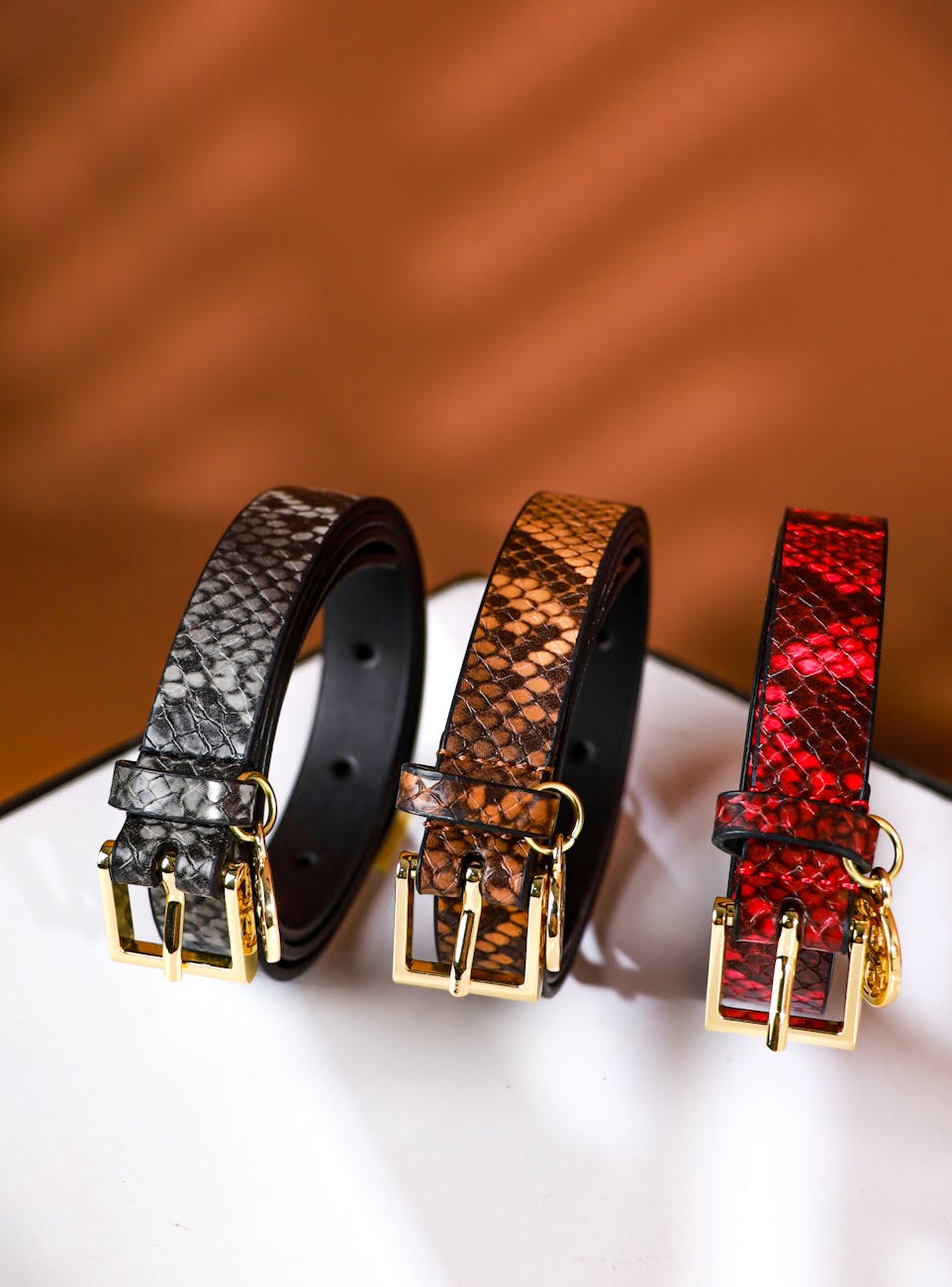
A small tweak – a new belt, a rolled sleeve, a slightly altered hem – can turn yesterday’s trend into today’s signature piece. The wardrobe you already own may surprise you, if only you allow it the chance.
Making Fading Trends Timeless
The secret to wearing fading trends is to integrate them subtly, so they complement your core style rather than dominate it. For example:
- Pair ballet-inspired pastels with earthy boots or a structured blazer.
- Let your oversized blazer work as a layering piece over a classic knit.
- Use a statement floral only as an accent rather than a full outfit.
- Transform cargo or utility trousers with delicate knits or silk blouses to soften the look.
In doing so, you’re not chasing trends. You’re owning them, bending them to your personal style, and giving your wardrobe longevity that the fast-fashion cycle would scoff at.
The Emotional Side of Style
There’s a real emotional reward in wearing what you already own. Fashion becomes less about “keeping up” and more about self-expression, comfort, and storytelling. Every item you keep and wear is a reminder of your own life – the brunch with a friend, the birthday you celebrated, the winter morning when your coat felt like armour against the cold.
Choosing to restyle, reuse, and rediscover isn’t just sustainable. It’s deeply personal. It’s owning your story, wrapped in fabric, colours, and textures that are uniquely yours.
The New Kind of Style
Sustainable style isn’t about sacrifice. It’s about creativity, individuality, and confidence. Trends will come and go, but personal style endures. What’s fading in the shops doesn’t have to fade in your wardrobe.
So next time you find yourself staring into your rails with a cup of tea in hand, don’t panic. Don’t scroll. Take a breath, mix a few old favourites, add a twist, and play a little. Sometimes the best outfits aren’t new. They’re the ones we’ve learned to love again.
And if you happen to have a biscuit in hand while you’re at it, even better.
Share Your Wardrobe Wins
I’d love to hear from you. What’s that piece in your wardrobe you’re still wearing proudly, even if everyone else has moved on? Share it with me on Facebook – Mylifeandstyleover40 and let’s celebrate the art of re-wearing, together.
Take care, stay safe.
Becks Xo

 My life and style over 40