

Why the most lucrative demographic in fashion is tired of logos, and what happens next
A few weekends ago, I drove down to Bicester Village, the Oxfordshire designer outlet that has become something of a mecca for shoppers across the UK. The weather was crisp, the car park full, and every major luxury house had a shop window waiting to tempt me. But as I strolled from boutique to boutique, a strange feeling crept over me. Instead of the restrained elegance I associate with luxury, I was confronted by racks of loud prints, oversized logos, glittery trainers and fluorescent leathers. Even the expensive names – the ones that once stood for heritage and understatement – seemed to be chasing the teenager with a TikTok account rather than the discerning customer in her forties.
I’m not alone in this reaction. Friends of mine in their forties, fifties and sixties, women who have raised families, built careers, and have some disposable income, all say the same thing: we feel ignored. We’re the customers who can afford to invest in a beautiful trench coat or a hand-stitched handbag. We don’t need our status spelt out in capital letters on a canvas tote. And yet, time after time, the most prominent luxury displays seem aimed at a younger crowd.
How We Got Here: The Youth Chase
Inside the boardrooms of LVMH, Kering and Richemont, the focus on younger shoppers makes perfect sense. Analysts at Bain & Co. estimate that by 2030, Generation Z and Generation Alpha will account for one-third of all luxury spending worldwide. These are the consumers who live on Instagram, TikTok, and other social media platforms, and see a bold logo as the fastest way to telegraph success. The result is “drop culture”: limited releases, high-octane collaborations, and products designed to photograph well on a phone.
There’s nothing inherently wrong with this strategy – every industry wants new customers – but it has consequences. When Burberry flooded the market with its famous check in the 2000s, the pattern became so ubiquitous that it lost its cachet. Whole swathes of its traditional clientele drifted away to quieter houses. The same thing is starting to happen again: a new “chav” aesthetic, but now global and digital.
The Invisible Segment: Established Clients
What the billboards and window displays don’t show is that luxury brands still rely on their older, more established clientele. Internally, most houses divide their customers into four broad segments:
- Aspirational / Entry-Level (late teens to early 30s): one or two “status” purchases a year, logo-driven marketing.
- Core / Established (35–55): regular big-ticket purchases, classic pieces, expect a boutique experience.
- VIP / Top Client (40–70+): couture, custom orders, multiple purchases per season, handled by dedicated advisors.
- Heritage / Legacy (50+): slow but consistent spend, often multi-generational loyalty.
Most advertising spend goes into the first category, because it promises growth. The others are “retention” segments served by private invitations, trunk shows, and one-to-one clienteling. If you’re in your forties or fifties, the brand assumes you already know where to find the understated pieces and will keep buying them without being wooed on Instagram.
This explains my experience at Bicester. Outlets do sell current classics alongside past-season and diffusion lines, but the merchandising is often loud: brightly coloured mannequins, giant logos, racks of seasonal stock. The subtle trench or the quiet leather hobo might be there, but you’ll have to hunt for it; it won’t be in the window.
Quiet Luxury in the UK
Bicester Village Finds
During my last trip, I spotted a Burberry tote tucked at the back of the shop – a classic heritage piece in muted print, lining subtle but notable, hardware restrained. No one else seemed to notice it; the displays fronting the store were all sporting oversized logo trainers and flashy bags. I could have walked past and missed it, but that’s exactly the point: these quiet classics are always there for those who know where to look.
The Max Mara Moment
A friend in her early fifties shared her “Max Mara moment”: a camel coat purchased in London’s Bond Street store. She describes the experience as “effortless elegance,” from the attentive staff to the private fitting room where she could try on the iconic coat without anyone peering over her shoulder. No logos, just the perfect cut and a weight of quality that instantly conveyed luxury.
A Loro Piana Escape
Last winter, I treated myself to a Loro Piana cashmere wrap in one of their London boutiques. The colour was a gentle light pink, the wool impossibly soft. The boutique itself felt like a haven for understated elegance: quiet lighting, hushed conversation, a tea service in the corner. No Instagram hype, no flashing lights, just craftsmanship and attention to detail. That’s where the over-40 demographic thrives: private, thoughtful, and highly discerning.
Subtle Gucci Finds
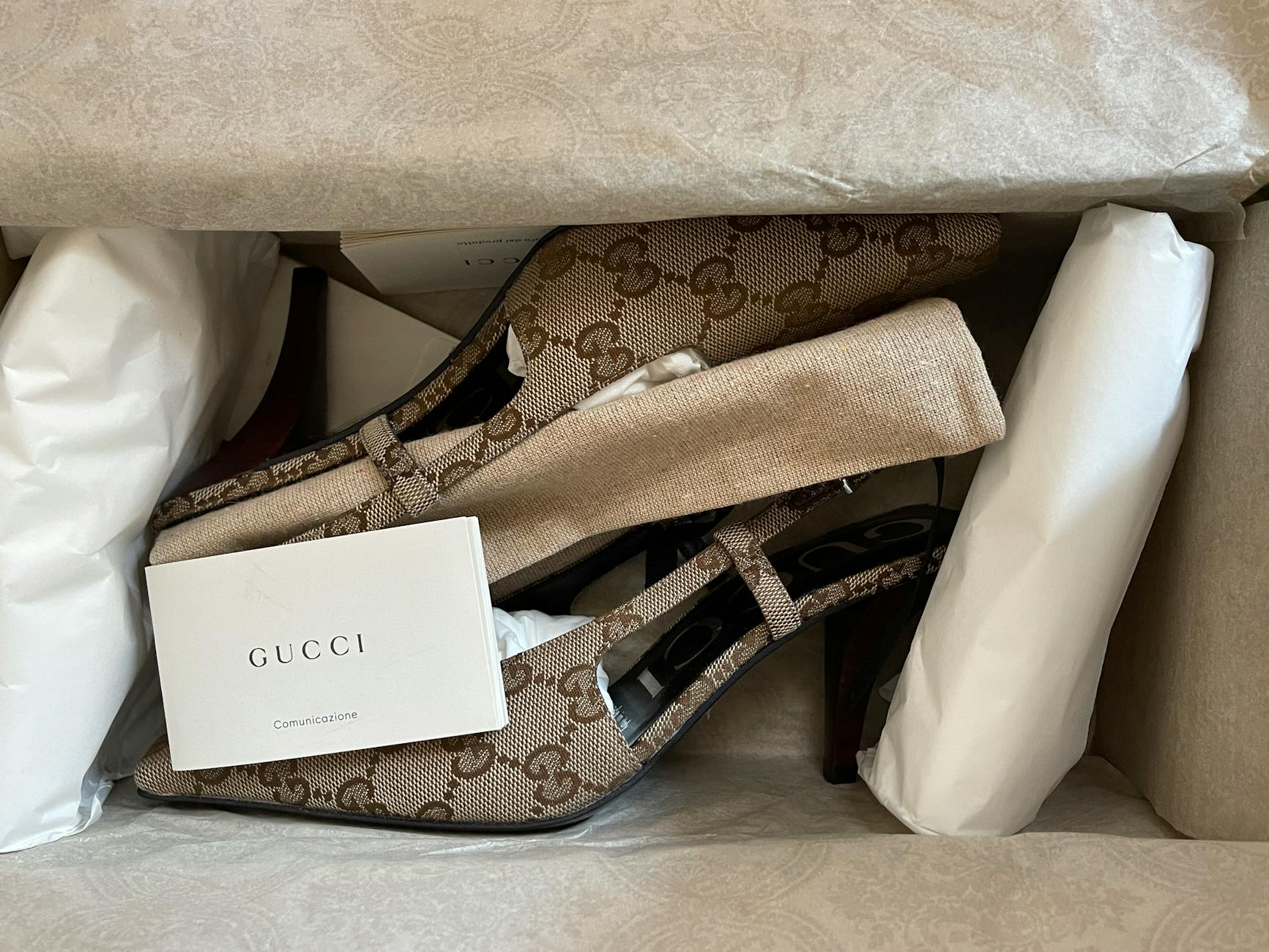
Even Gucci has started producing pieces that appeal to more mature tastes. A colleague recently invested in a pair of their horsebit loafers in plain leather – discreet, timeless, wearable every day. No one would instantly know it was Gucci unless they already had an eye for quality.
The Pendulum Swings Back
The good news is that the pendulum is already swinging. Since Succession made “stealth wealth” aspirational again, houses from Gucci to Burberry have started to dial down the noise. Daniel Lee at Burberry has brought back archival trenches and understated tailoring. Bottega Veneta has doubled down on its logo-less woven leather. Even Chanel is softening its hardware and telling more stories about craftsmanship rather than celebrity hype.
For women over 40, this is our moment. The houses that never left the quiet-luxury lane – Hermès, Loro Piana, Brunello Cucinelli, The Row, Max Mara – are booming precisely because we’ve been moving our money there. Analysts expect prices at the top end to keep rising and waiting lists to grow, a sign that the true profit base is still the 40-plus buyer who invests in fewer, better things.
How to Read the Signals
If you want to spot a brand pivoting back toward your demographic, look for these tell-tale signs:
- Logos shrink or disappear; hardware gets slimmer and less shiny.
- Archive pieces are reissued quietly; styling becomes more classic.
- Ads appear in Financial Times – How To Spend It, The Gentlewoman, or Porter Magazine, rather than only on social media.
- Private shopping rooms open; invitations to previews increase.
- Core classics stop appearing at outlets and start carrying waiting lists.
- Labels highlight mills, tanneries and artisans instead of celebrities.
- Runway casting includes elegant 40-plus faces again.
When three or more of these happen at once, a brand is deliberately courting the “quiet money” customer.
Where to Look Now
Alongside the big names, a wave of independent labels is building its entire business around understated luxury: Khaite in New York, Gabriela Hearst’s own label, Toteme in Stockholm, Joseph in London, Raey and Le Kasha for knitwear. They don’t seed products to reality stars or plaster their names on everything, but stylists and personal shoppers point their best clients there.
For a “quiet luxury starter wardrobe,” think in terms of categories rather than trends: a Bottega Veneta tote with no logo, a Max Mara camel coat, a pair of Gucci horsebit loafers in plain leather, a Loro Piana cashmere roll-neck. Stick to natural fibres, buy one or two pieces a year, and use the aftercare services the houses offer to keep them perfect for decades.
Practical Takeaway: UK Quiet-Luxury Shopping Guide
Where to Shop
- London Flagship & Boutique Stores: Burberry (Bond Street), Max Mara (Bond Street), Loro Piana (Sloane Street), Bottega Veneta (Sloane Street / King’s Road), The Row (London pop-ups / Net-a-Porter)
- Department Stores / Online Stockists: Harrods, Harvey Nichols, Selfridges, Matches Fashion, Net-a-Porter, MyTheresa
- Designer Outlets: Bicester Village – past-season classics tucked behind flashy stock
Key Wardrobe Pieces (Quiet Luxury Staples)
- Bags & Leather Goods: Bottega Veneta tote, Burberry Frances/Knight, The Row Margaux tote, Khaite shoulder bag
- Outerwear: Max Mara camel coat, Burberry Heritage trench, The Row ankle-length coat, Toteme wool coat
- Shoes: Gucci horsebit loafers, Hermès Oran sandals, Manolo Blahnik BB pumps, Brunello Cucinelli loafers/trainers
- Knitwear & Basics: Loro Piana cashmere sweaters, Brunello Cucinelli silk-cashmere blends, Toteme/Khaite knits, Joseph merino roll-necks, Raey silk/wool basics
Shopping Tips
- Look beyond the window displays – the flashiest pieces aren’t always the classics.
- Ask about private appointments – boutiques often have quiet fitting rooms.
- Invest in fewer, better pieces – focus on items that last a decade.
- Stick to natural fibres over logos – cashmere, silk, leather, wool.
- Use aftercare services – tailoring, repairs, and leather conditioning to maintain value.
The Quiet Power of Older Women
Ultimately, the luxury industry isn’t ignoring us. It’s just speaking to us in a whisper while it shouts at the kids. But money talks. When women in their forties, fifties and sixties shift their spending toward houses that respect subtlety, the big conglomerates follow. That’s already happening.
So, if you’ve walked through Bicester lately and felt a pang of disappointment, don’t despair. Underneath the neon logos, a new era of discreet, heritage-driven luxury is taking shape. And it’s our demographic – the women who have worked, raised families and earned the right to spend – who will shape what luxury means in the next decade.
Have you noticed the same shift in the luxury market? I’d love to hear from you. Pop your thoughts in the comments over at Facebook – Mylifeandstyleover40 – and if you enjoy posts like this, hit “subscribe” so you don’t miss future quiet-luxury finds and style tips.
Take care, stay safe.
Becks Xo

 My life and style over 40