
This is a topic close to my heart, after having a medical condition pushing me into early menopause, I find myself facing an ever changing body complete with new emotions and symptoms.

What is the menopause?
The menopause is a significant phase in a woman’s life that brings about various physiological and psychological changes.
It’s a natural process that marks the end of a woman’s reproductive years. This can be an emotional rollercoaster for women, I was fully prepared for it as I was ill for a long time because of cancer and had to have a full hysterectomy. By the time my operation was due, I’d had enough of it all and just wanted it to be sorted, but some may not be quite so prepared for it and may need extra support. This is a good time for friends, family and partners to be on hand ready to be the shoulder to cry on, the ear to listen and just generally be non-judgemental.
The menopause is defined as “the permanent cessation of menstruation”, and usually occurs between the ages of 45 and 55, but it can happen earlier or later.
Menopause occurs when the ovaries stop producing estrogen and progesterone, the hormones that regulate the menstrual cycle. This can happen for a number of reasons, including:
- Age: As women age, their ovaries naturally produce less estrogen and progesterone.
- Genetics: Some women are more likely to experience menopause early than others due to genetics.
- Medical conditions: Certain medical conditions, such as certain types of cancer and surgery, can also lead to menopause.
- Medications: Some medications, such as chemotherapy drugs and some antidepressants, can also cause menopause.
The transition to menopause can take several years and is known as perimenopause. During perimenopause, women may experience a variety of symptoms, including:
- Irregular menstrual periods
- Hot flashes
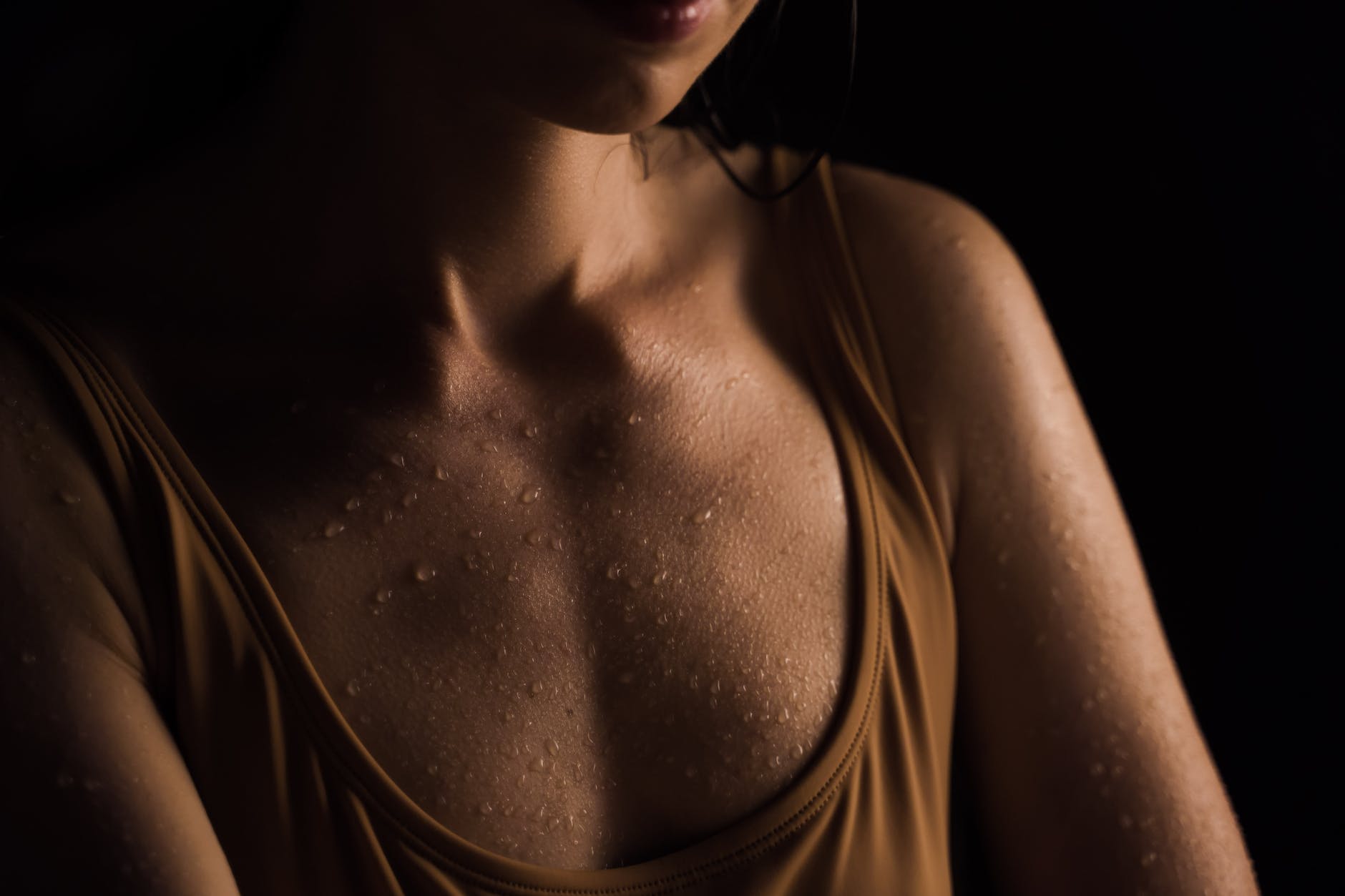
- Night sweats
- Vaginal dryness
- Mood swings
- Fatigue
- Difficulty sleeping
- Headaches
- Joint pain
- Memory problems
Most of the symptoms of menopause improve over time, but some women may experience long-term symptoms, it can be a horrible experience for some and can have a huge impact on mental and physical health. It’s not as easy as saying ‘talk to your Doctor’ as you need to make sure you have a Doctor who understands and is sympathetic to your situation and sadly these are few and far between!
There are, however, a number of treatments available for menopause symptoms, including hormone therapy, lifestyle changes, and over-the-counter medications. So, if you are experiencing menopause symptoms, find out if there is a Doctor at your practice that is knowledgeable in women’s health and talk to them. They should be able to help you determine the best course of treatment for you. Most importantly DO NOT GET FOBBED OFF BY THEM!
I mentioned that the menopause is a phase in our lives where we face huge changes to our emotional and physical selves and one often-overlooked aspect of this transitional period is how it affects clothing choices. Dressing for the menopause goes beyond aesthetics; it involves selecting fabrics, styles, and colors that promote comfort, confidence, and well-being.
I aim to touch on the challenges women face when dressing during menopause and provide insights into creating a wardrobe that balances both comfort and style.
- Understanding Menopause: Menopause is a natural biological process that marks the end of a woman’s reproductive years. It typically occurs between the ages of 45 and 55 and is characterized by a decline in estrogen production. This hormonal shift results in various symptoms, including hot flashes, night sweats, mood swings, and changes in body composition.
- Challenges in Dressing for Menopause: Menopausal symptoms can greatly impact a woman’s comfort level and confidence, affecting her clothing choices. Hot flashes and night sweats, for example, can lead to discomfort, prompting a need for breathable fabrics and layering options. Mood swings and changes in body composition may influence how women perceive their bodies, influencing their style preferences.
- Fabric Selection: Choosing the right fabrics is crucial for menopausal women. Natural fibers like cotton, linen, and bamboo are breathable and can help regulate body temperature, reducing the discomfort caused by hot flashes. These materials also allow for better air circulation, preventing excessive sweating.
- Layering and Versatility: Menopausal women often experience sudden temperature fluctuations. Layering becomes a practical solution, allowing for easy adjustment to varying environments. Versatile pieces like cardigans, lightweight scarves, and vests can be added or removed as needed, ensuring comfort throughout the day.
- Color Psychology: The psychological impact of color on clothing choices is significant. During menopause, mood swings and shifts in self-esteem may influence color preferences. While dark colors are often favored for their slimming effect, incorporating brighter shades can uplift mood and boost confidence.
- Embracing Body Changes: Menopause can bring about changes in body shape and size. Instead of clinging to old styles, women may find empowerment in embracing these changes and adapting their wardrobe accordingly. Flowy, A-line dresses and tops can provide comfort while accommodating shifting body proportions.
- Supportive Undergarments: Menopause can lead to changes in breast size and shape. Investing in supportive undergarments that fit well can enhance comfort and confidence. Properly fitted bras can alleviate discomfort and offer better posture.
- Footwear and Accessories: Menopausal women often experience changes in foot size and shape due to hormonal fluctuations. Opting for comfortable and supportive footwear becomes essential. Accessories like scarves, statement necklaces, and earrings can draw attention away from any perceived problem areas and enhance the overall outfit.
- Mindful Shopping: Shopping for menopausal-friendly clothing requires mindfulness. Prioritize comfort, quality, and versatility over trends. Choose items that can be mixed and matched, reducing the need for an extensive wardrobe.
- Self-Expression and Confidence: Dressing during menopause isn’t just about practicality; it’s also an opportunity for self-expression. Wearing clothes that make one feel confident can positively impact mood and overall well-being. Experimenting with different styles and accessories can be a way to celebrate personal identity.
I think we can safely say dressing for the menopause is a multifaceted endeavor that involves considering both physical comfort and psychological well-being. Menopausal women face unique challenges, from temperature fluctuations to changes in body composition. By choosing the right fabrics, embracing versatility, and prioritising self-expression, we can create a wardrobe that promotes confidence and comfort during this transformative life phase. In adapting our clothing choices, we can navigate this journey with style, grace, and a renewed sense of empowerment.
I hope this has been helpful to you, just writing this has made me think more about it and I’m going to take on board some of my findings and hopefully be a more comfortable, stylish ‘Me’.
Take care, stay safe.
Becks xo

 My life and style over 40